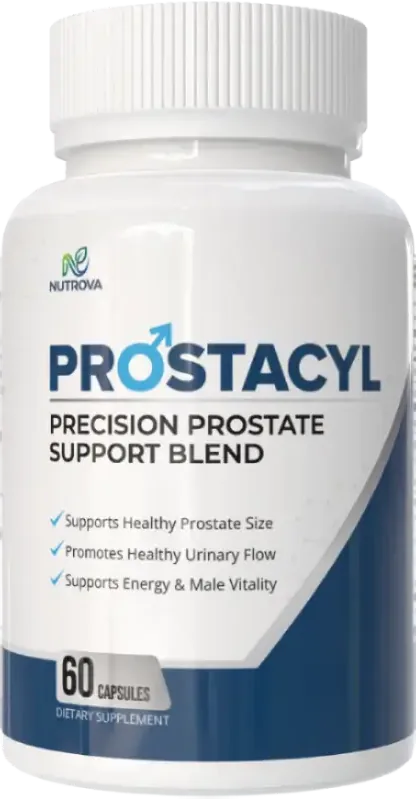
Exactly as listed on the label: Lycopene 5% (Lycopersicum esculentum) — tomato — 10 mg.
What it is
Lycopene gives tomatoes, watermelon and pink grapefruit their red color. The Prostacyl label reads “Lycopene 5% … 10 mg.” Read literally, that is 10 mg of tomato extract standardized to 5% lycopene, which works out to roughly 0.5 mg of lycopene itself. For comparison, a serving of tomato sauce can contain several milligrams or more.
Why formulas include it
Lycopene is an antioxidant carotenoid that collects in several tissues, including the prostate. It joins grape seed extract and vitamin E in the antioxidant group of the formula.
What the research says — honestly
Much of the interest in lycopene comes from large population studies of diets high in tomato products. Those studies show an association, not cause and effect, and they involve whole foods eaten over years. Because the lycopene amount in Prostacyl is small, cooked tomatoes remain one of the most practical ways to get more of it.
Safety notes
Lycopene from food and supplements is considered very safe at normal intakes.
Where it fits in Prostacyl
Lycopene is one of nine ingredients in each two-capsule serving of Prostacyl. It works alongside saw palmetto, pygeum africanum, grape seed extract, pumpkin seed extract and the rest of the formula, rather than on its own. You can see how the groups connect on the ingredients overview.
Sources
- Dietary Supplements: What You Need to KnowNIH Office of Dietary Supplements