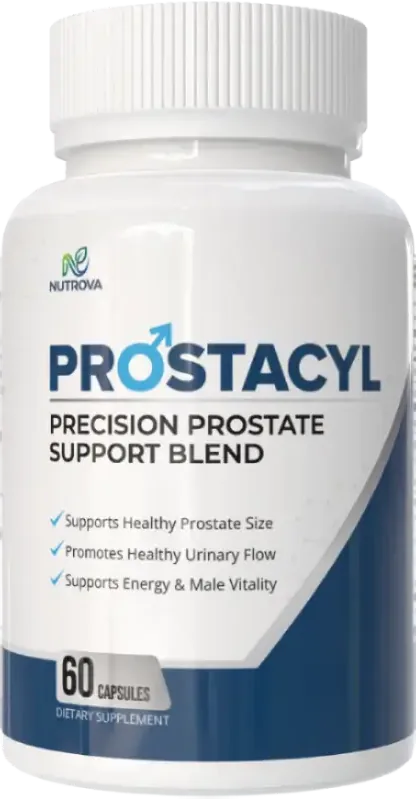
Exactly as listed on the label: Pumpkin Seed Extract (Cucurbita moschata) — seed — 100 mg.
What it is
Pumpkin seed extract in Prostacyl comes from Cucurbita moschata, the species that includes butternut squash. The label lists 100 mg of seed extract. Whole pumpkin seeds are a well-known source of plant sterols, healthy fats and minerals such as zinc and magnesium, though the label does not say how much of each the extract keeps.
Why formulas include it
Pumpkin seed has been used in central European folk practice for men's urinary comfort for generations. In a prostate formula it adds another sterol-rich plant source next to saw palmetto and pygeum.
What the research says — honestly
A handful of trials, mostly from Germany, tested pumpkin seed oil or specific seed extracts, often at much larger amounts than 100 mg. Results were modest and the study designs differ, so they are hard to compare with this formula. Eating a small handful of pumpkin seeds is also an easy food-based way to get many of the same nutrients.
Safety notes
Pumpkin seed is a common food and extracts are generally well tolerated. People with a seed allergy should avoid it.
Where it fits in Prostacyl
Pumpkin Seed Extract is one of nine ingredients in each two-capsule serving of Prostacyl. It works alongside saw palmetto, pygeum africanum, grape seed extract, nettle leaf and the rest of the formula, rather than on its own. You can see how the groups connect on the ingredients overview.
Sources
- Prostate Enlargement (Benign Prostatic Hyperplasia)National Institute of Diabetes and Digestive and Kidney Diseases (NIDDK)