The prostate is a small gland, but it gets a lot of attention after 40 — and for good reason. Here is what it does, why it changes, and which changes are worth a call to your doctor.
What the prostate does
The prostate is a walnut-sized gland that sits just below the bladder and wraps around the urethra, the tube that carries urine out of the body. Its main job is to make part of the fluid in semen.
Why it often grows with age
For many men, the prostate slowly gets larger from middle age onward. This is called benign prostatic hyperplasia, or BPH. “Benign” means it is not cancer. According to NIDDK, BPH is the most common prostate problem in men over 50. Because the gland surrounds the urethra, growth can press on it and change how urine flows.
Common signs men notice
- Waking at night to urinate
- A weaker or stop-start stream
- Trouble getting started
- Feeling that the bladder isn't fully empty
- Needing to go urgently or often
These signs are common, but they are not specific to BPH. Bladder issues, diabetes, some medicines and other conditions can cause similar changes.
When to see a doctor promptly
Get medical care quickly if you notice:
- Blood in your urine
- Pain or burning when you urinate
- Fever with urinary symptoms
- Being unable to urinate at all
Even without these, it is worth bringing up any urinary change at your next visit. Doctors have simple tests to sort out the cause.
Where daily habits fit
Lifestyle steps won't reverse gland growth, but they can make daily life easier: spreading fluids through the day, limiting evening alcohol and caffeine, staying active and keeping a healthy weight. Our nighttime bathroom guide covers these in detail.
Where supplements fit
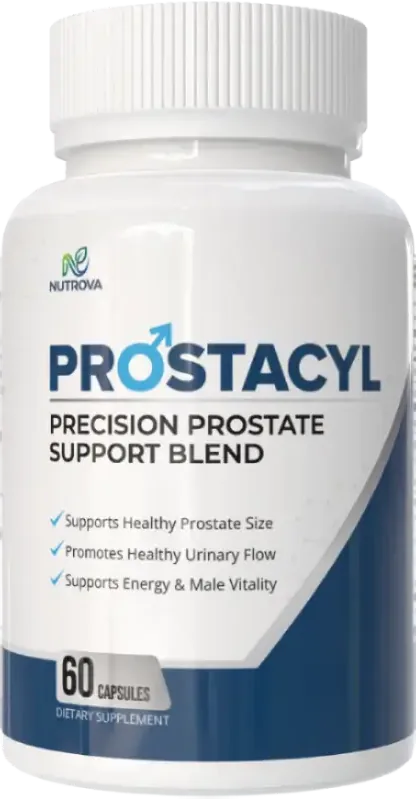
Many men add a supplement such as Prostacyl as one part of a wellness routine. Ingredients like pygeum bark and saw palmetto have a long history of use, but research results are mixed, and supplements are not a treatment for BPH or any other condition. If you have symptoms, get checked first, then ask your doctor whether a supplement makes sense for you.
Important
This article is general information, not medical advice. Talk with your doctor about any urinary change, and before starting a supplement. Prostacyl is not intended to diagnose, treat, cure or prevent any disease.
Sources
- Prostate Enlargement (Benign Prostatic Hyperplasia)National Institute of Diabetes and Digestive and Kidney Diseases (NIDDK)
- Enlarged Prostate (BPH)MedlinePlus, U.S. National Library of Medicine
- Saw Palmetto — Usefulness and SafetyNational Center for Complementary and Integrative Health (NCCIH)